Overview
A comprehensive, multi-phase clinical framework designed to stabilize mitochondrial bioenergetics, clear accumulated oxidative stress, and restore metabolic homeostasis. This protocol utilizes targeted peptides, coenzymes, and amino acids to systematically repair cellular engines and transition the patient to sustainable, endogenous maintenance. By targeting the inner mitochondrial membrane (IMM), optimizing the NAD+ salvage pathway, and modulating the Folate-AICAR-AMPK axis, this step-by-step approach moves patients from acute exogenous intervention to long-term biological resilience without creating physiological dependency.
Phase 1: Mitochondrial Repair & Oxidative Clearance
Expected Outcomes:
| Stabilize the inner mitochondrial membrane (IMM), restore electron transport chain (ETC) efficiency, and rapidly clear systemic oxidative stress to halt ongoing cellular damage at the source. |
SS-31 (MTP-131)
| Administration Route: Subcutaneous (SubQ) injection |
| Dosing Schedule: 40mg per dose, daily |
| Duration: 10 days |
| Frequency: Repeat 2 times per year |
Glutathione
| Administration Route: Intravenous (IV) |
| Dosing Schedule: 600mg to 1200mg per treatment, 1-2 days per week |
| Duration: 8 weeks |
| Frequency: Repeat as needed |
Bioavailable B-Complex
| Administration Route: Oral Capsule |
| Dosing Schedule: Ongoing |
| Duration: Ongoing |
| Frequency: Ongoing |
TMG (Trimethylglycine)
| Administration Route: Oral Capsule |
| Dosing Schedule: 250mg, daily |
| Duration: Ongoing |
| Frequency: Ongoing |
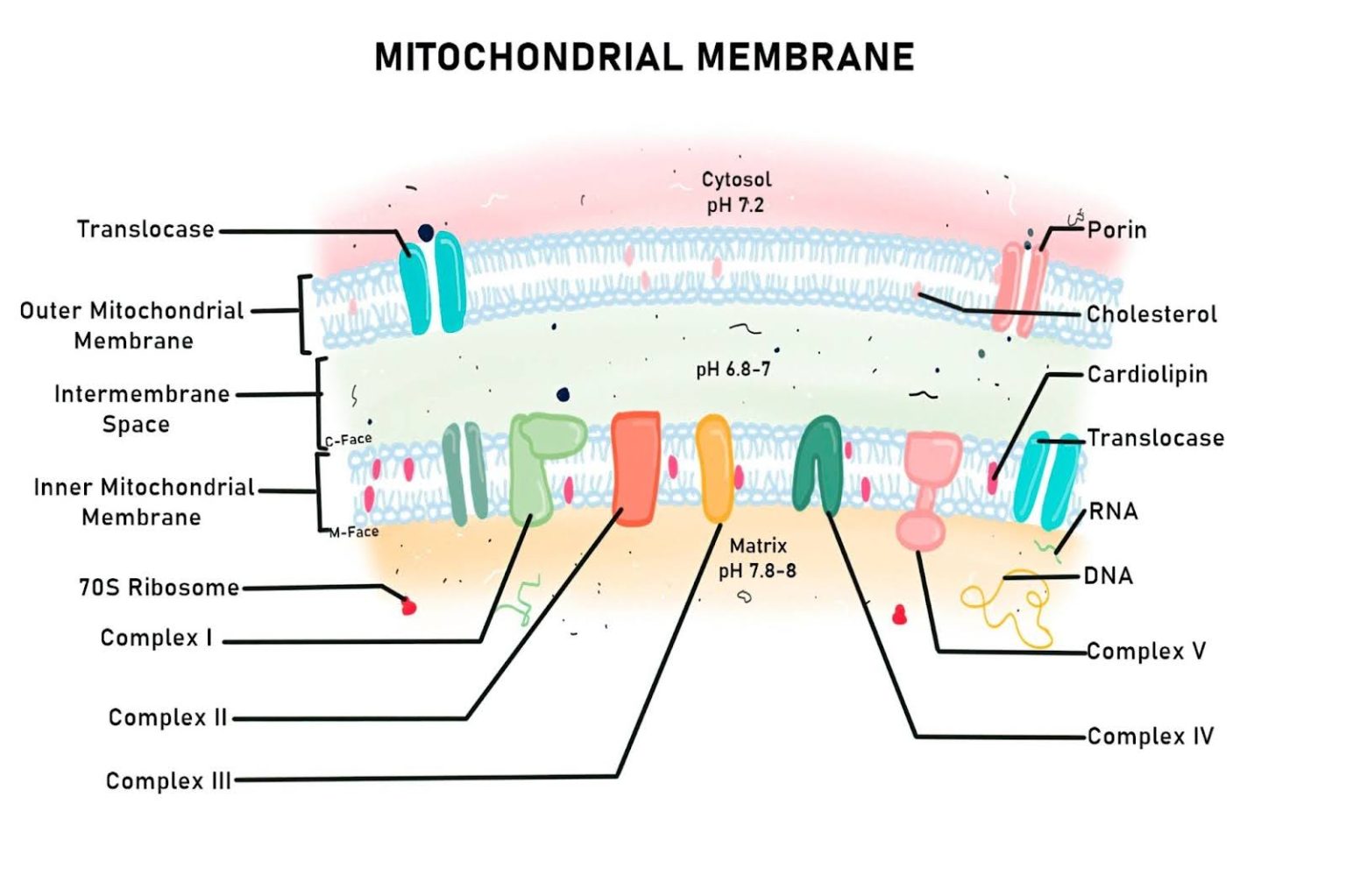
Rationale: Before activating metabolic pathways, the foundational cellular machinery must be secured. SS-31 directly binds to cardiolipin, sealing leaks in the mitochondrial membrane and restoring ATP production efficiency. Concurrently, high-dose IV Glutathione acts as a systemic “mop,” neutralizing the historical oxidative stress (ROS) that has accumulated in the cytosol. This phase stops the damage at its source while clearing the existing inflammatory burden.
Phase 2: Metabolic Acceleration & AMPK Activation
Clinical Goal:
| Transition from cellular repair to metabolic optimization by inhibiting the NNMT enzyme, activating the AMPK pathway, and driving fatty acid oxidation to mimic the physiological effects of exercise. |
Stop:
| SS-31 |
Continue:
| Glutathione IV |
| TMG |
| B-Complex |
Rationale: With the mitochondrial engines repaired, this phase forces the cells to burn stored energy. MOTS-c acts as an “exercise mimetic” by tricking the body into a state of metabolic stress via the AMPK pathway. Meanwhile, 5-Amino-1MQ inhibits the NNMT enzyme, preventing the drain of nicotinamide (NAM) and naturally priming the body’s salvage pathway to recycle NAD+ more efficiently. The strict cycling of MOTS-c is clinically imperative to prevent the immune system from forming neutralizing antibodies against the patient’s own natural peptides.
Phase 3: Transitioning to Maintenance
Expected Outcomes:
| Cease acute exogenous interventions and execute a seamless handoff to oral precursors, sustaining bioenergetic gains while preventing biological dependency or the downregulation of natural synthesis pathways. |
Stop:
| Glutathione IV |
| 5-Amino-1MQ |
| MOTS-c |
Continue:
| TMG |
| B-Complex |
Rationale: Prolonged use of high-dose exogenous antioxidants and peptides can cause the body to downregulate its own natural production. By stopping IV Glutathione and injected peptides, and administering a single NAD+ IV “loading dose,” the protocol smoothly transitions the patient to oral maintenance. The introduction of GlyNAC provides the rate-limiting amino acids needed to force the cells to synthesize their own glutathione, ensuring long-term redox homeostasis.
Phase 4: Ongoing Maintenance
Expected Outcomes:
| Provide long-term, sustainable support of DNA methylation, redox balance, and the NAD+ salvage pathway without overwhelming the patient’s biological systems. |
Continue Daily:
| NMN/NR (500mg) |
| GlyNAC (600mg-1200mg) |
| TMG |
| B-Complex |
Rationale: As the body metabolizes daily NMN, it will continually generate nicotinamide (NAM) that requires significant amounts of methyl donors. Maintaining a continuous supply of TMG and B-Complex is necessary to prevent systemic methyl depletion – and the subsequent dangerous buildup of homocysteine – protecting long-term cardiovascular and metabolic health.
Mathematical Calculation Tool
The calculator below allows mathematical concentration and volume calculations using variable vial strengths and reconstitution volumes. This tool is provided strictly for arithmetic reference.
Peptide Reconstitution Calculator
For Educational & Professional Reference Only
Clinical Disclaimer
This protocol framework is designed for informational and educational purposes for physicians and healthcare professionals. The statements and therapies outlined have not been evaluated by the Food and Drug Administration. These products and protocols are not intended to diagnose, treat, cure, or prevent any disease. Patient-specific medical history, current medications, and contraindications (such as active malignancy for MOTS-c) must be thoroughly evaluated prior to initiation.